
At 321 Ignition I helped the founders build a scalable platform that helped dealerships capture Gen Y buyers, drove massive lifts in sales and leads, and positioned 321 Ignition for acquisition.
The challenge
Car dealerships across the US were facing two critical problems.
Limited local markets: independent dealerships were running out of repeat buyers in their towns.
Losing Gen Y buyers to online competitors: younger buyers preferred the convenience of platforms like Carvana and Craigslist, where they could research and complete most of the buying process online.
For 321 Ignition, solving this wasn’t just about helping dealerships survive - it was about capturing a massive B2B SaaS opportunity. With 170,000 auto dealerships in the US, if we could build a scalable solution that attracted Gen Y buyers, we could position 321 Ignition as the leading platform for dealership websites.
Discovery
To understand the problem from both sides of the market, I:
interviewed dealership owners in Seattle to uncover their pain points and ideal customer persona - prepared buyers who returned every 3 years.
conducted interviews with Gen Y participants to map how they shopped for cars.
completed a competitive analysis of online-first competitors like Carvana and Craigslist.
analysed local market sales data to ground insights in real-world context.
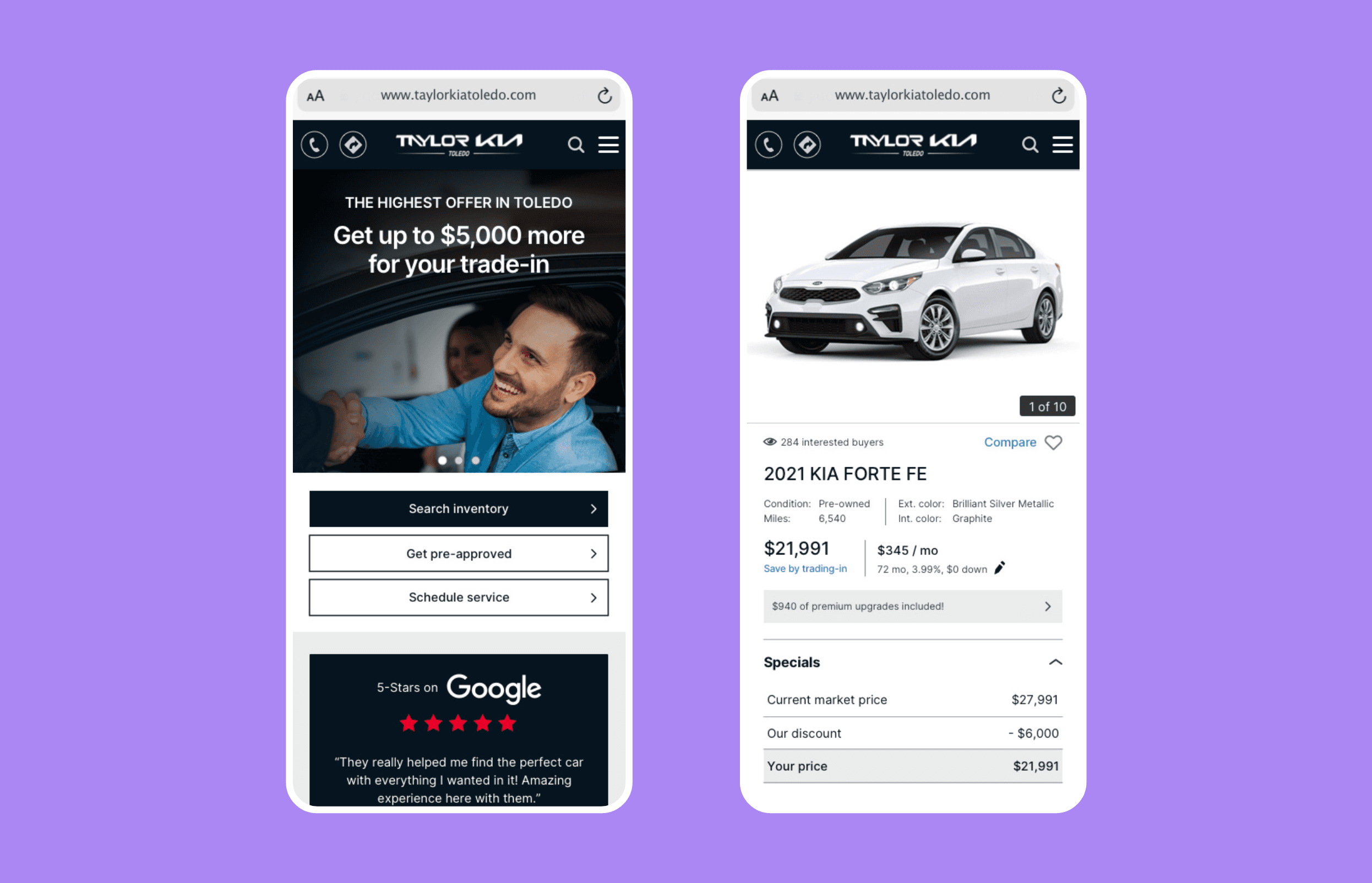
Key finding: Gen Y buyers wanted to research and browse on their phones and complete major steps (like financing pre-approval) online, often outside of dealership hours.
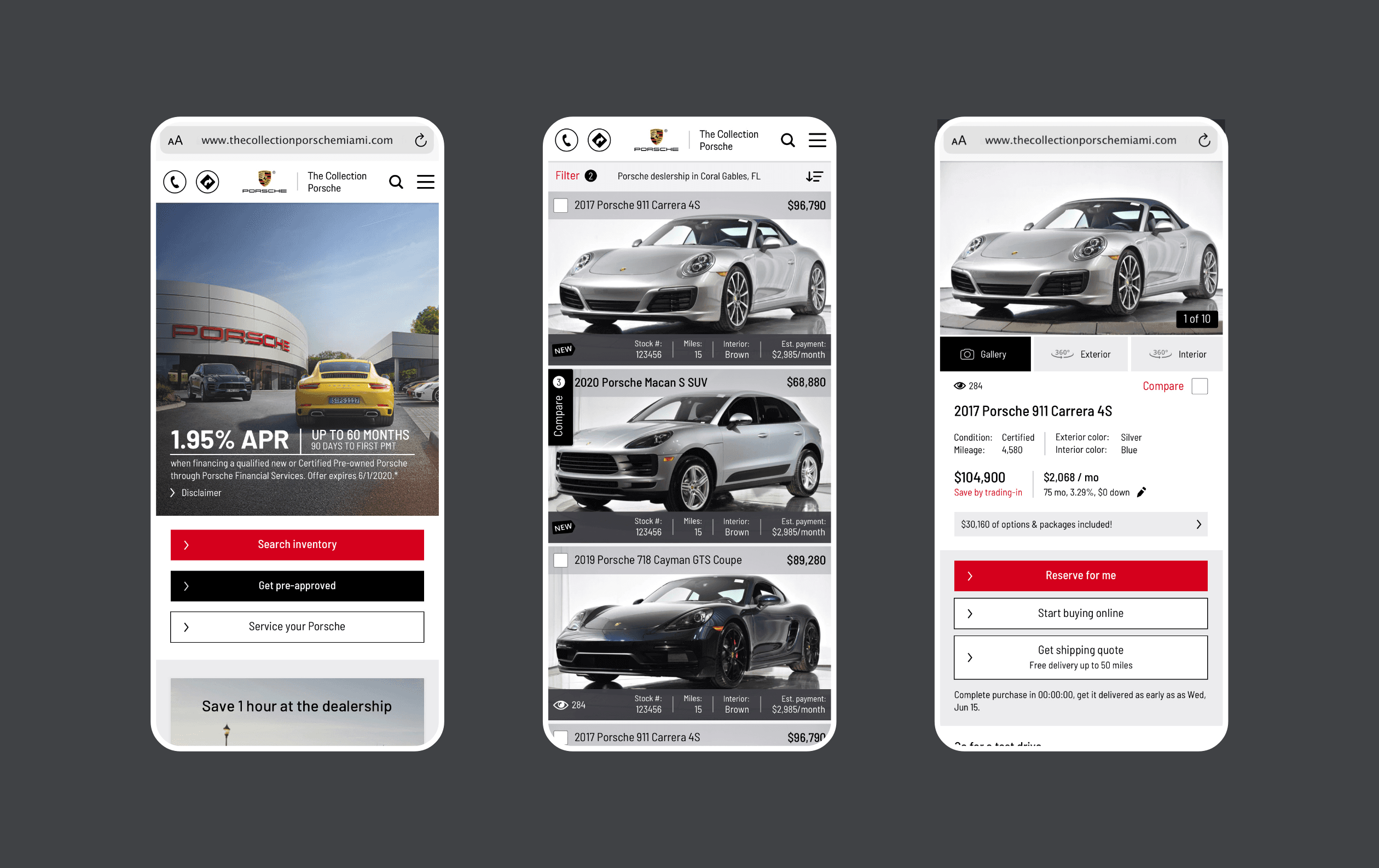
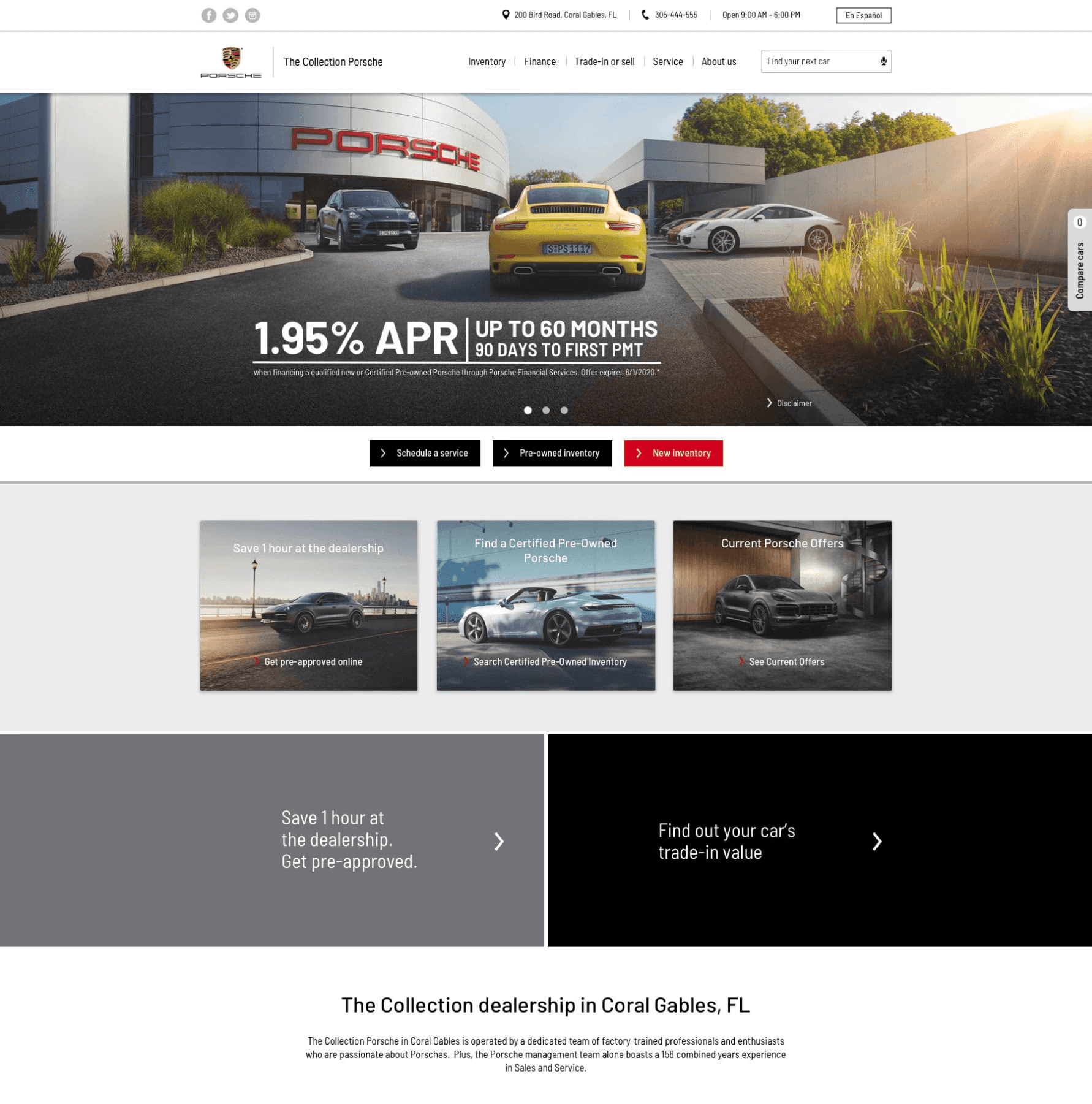
This insight led us to a mobile-first design strategy. I created low-fidelity prototypes, which were tested with users, and then guided my team in developing high-fidelity responsive designs for both mobile and desktop.
If dealerships target Gen Y customers, they are more likely to obtain repeat sales over the course of their lifetime.
If dealerships can show customers they can lower their monthly repayment, they are more likely to buy a new car from them.
Challenges
Balancing client demands with product scalability
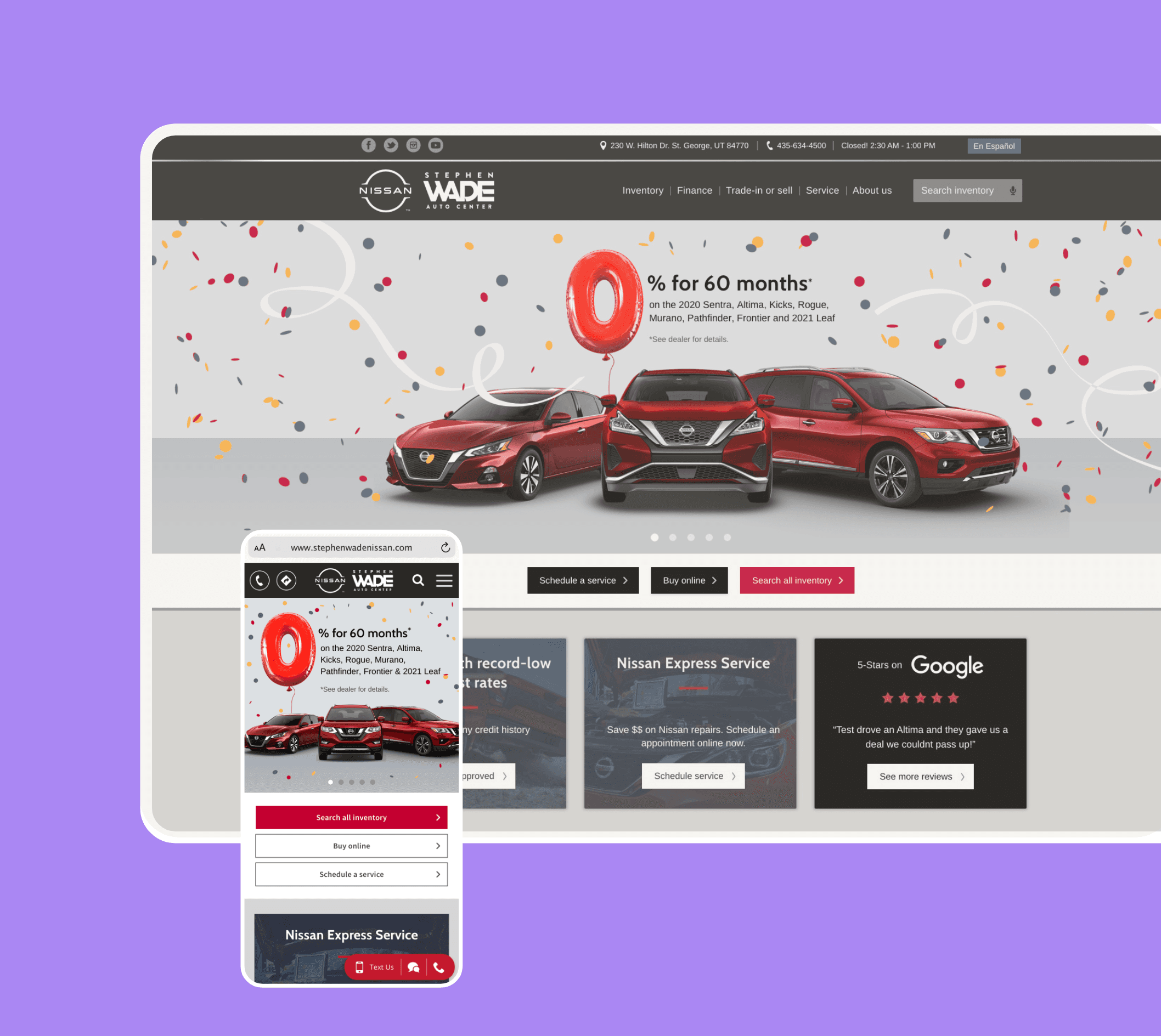
Some clients, especially auto groups who signed up for multiple subscriptions, wanted significant control over the design and content of their site. However, we needed to ensure we were creating a template scalable across dealerships, not a one-off solution.
I pushed back using data, user research, and conversion results from other clients.
We developed a network of reference customers who acted as proof points, instilling trust with new customers and helping us win buy-in without compromising scalability.
Leading a remote design team
I was based in Australia, while my team and users were in the US, creating timezone and collaboration challenges.
Used unmoderated testing and research partners (including the founder) to conduct US-based user interviews.
Structured my schedule to ensure 2-hour daily overlaps for accessibility, meetings, and workshops.
Ran weekly 1:1s and group WIPs over Zoom to keep alignment strong.
Leveraged Miro for transparent critiques, ensuring feedback was shared openly so the whole team participated.
Assigned each designer a specialty focus (usability testing, branding, design ops) to give them agency and ownership in the process.
The outcome
Pilot impact
The first dealership’s new website delivered a 31% sales increase in the first 2 months.
User research revealed buyers chose this dealership over competitors because they could research, finance, and pre-approve online, even after hours.
Broader results
One dealership saw a 752% increase in leads and 266% increase in sales after switching to our platform.
Another achieved a 156% lift in leads, even when starting from a strong baseline.
These results helped position 321 Ignition as the #1 performing dealership website platform on mobile.
The company was ultimately acquired by Overfuel in 2023, with our mobile-first, Gen Y–focused design as a key differentiator.
Lessons learned as a leader
Conversion is indisputable: in a market as large as US dealerships, opinions varied widely - but A/B testing and conversion rates cut through debates and client demands.
Design for scalability, not one-offs: even lucrative client requests had to be balanced against maintaining a single, high-performing design system.
UX > UI: conversion success came from user-centered flows, not multiple flashy templates. Brand differentiation was effectively achieved through fonts, colors, and imagery.
Evolving user needs: in just 12 months, top lead drivers shifted from test-drive scheduling to online financing pre-approvals. Continuous analytics and iteration were critical.
Partnership matters: working alongside the founder, I learned the power of direct response marketing to maximize conversion. This partnership blended her marketing expertise with my UX strategy, and the lessons I gained from her have been invaluable in my career.
Leadership in disruption: by mentoring my team to act as consultants (not order-takers), we grew into trusted partners for clients while building a scalable, high-performing product.